 usefulozone

SERACH
Search Products
Search Articles
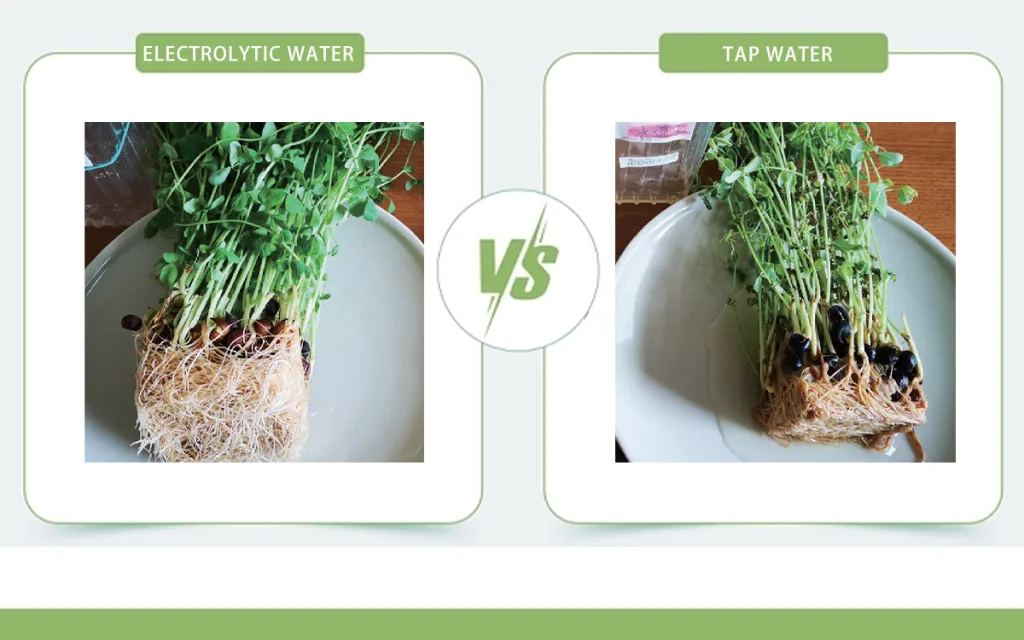
Our Japan team conducted a 22-day study on hydroponic cultivation of bean seedlings, comparing the effects of electrolytic ozone water and tap water. Below are the testing data results.
Experimental Methods:
1.Materials:
On August 28, 2020, purchase a bunch of bean sprouts from a supermarket.
2.Preparation:
· Cut off the leaves approximately 5 cm from the bottom of the sprouts.
· Separate the cut leaves into two groups and place them in two separate containers.
3.Setup:
· Label the containers as “Electrolyzed Water” and “Tap Water.”
· Change the water daily, following the procedures below.
4.Water Change Rules:
Electrolyzed Water Side:
· Prepare fresh electrolyzed water each morning by electrolyzing tap water for 3 minutes.
· Replace the old water with the freshly prepared electrolyzed water.
· Ensure tap water is never directly added to this container.
Tap Water Side:
· Discard the old water each morning.
· Rinse the roots and the container with fresh tap water to remove any stickiness.
· Refill with fresh tap water.
5.Water Level:
Maintain a consistent water level in both containers, avoiding excessive water.
6.Daily Observations:
Record any noticeable differences in the condition of the sprouts between the two containers.
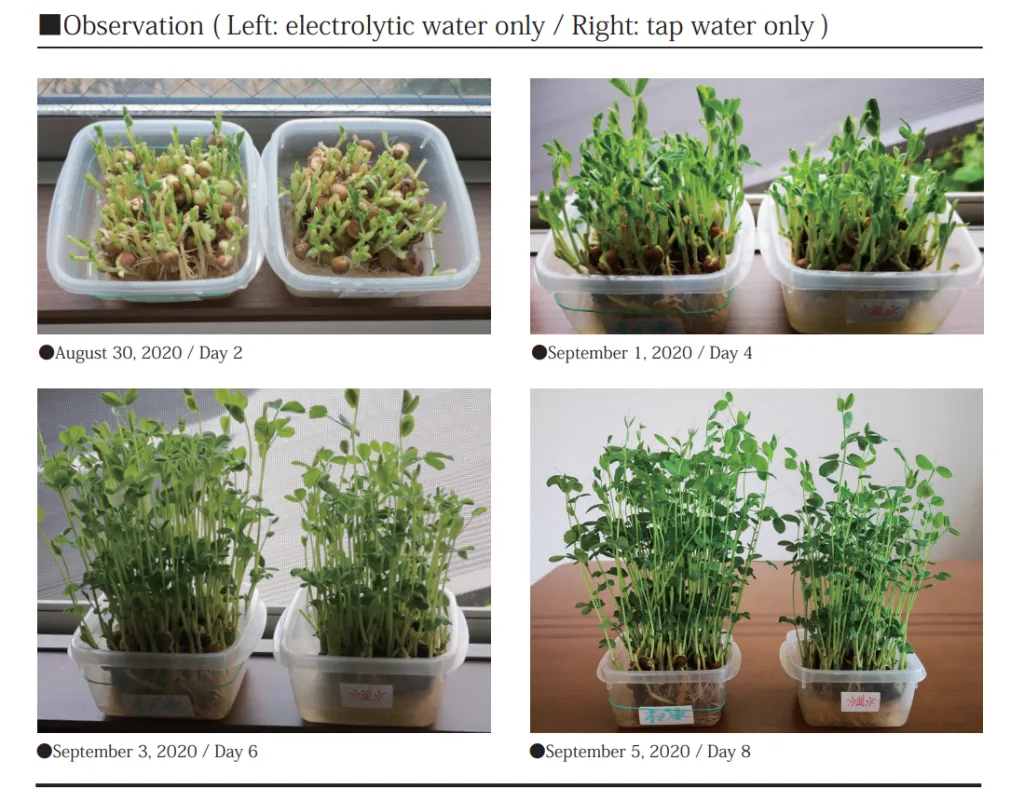
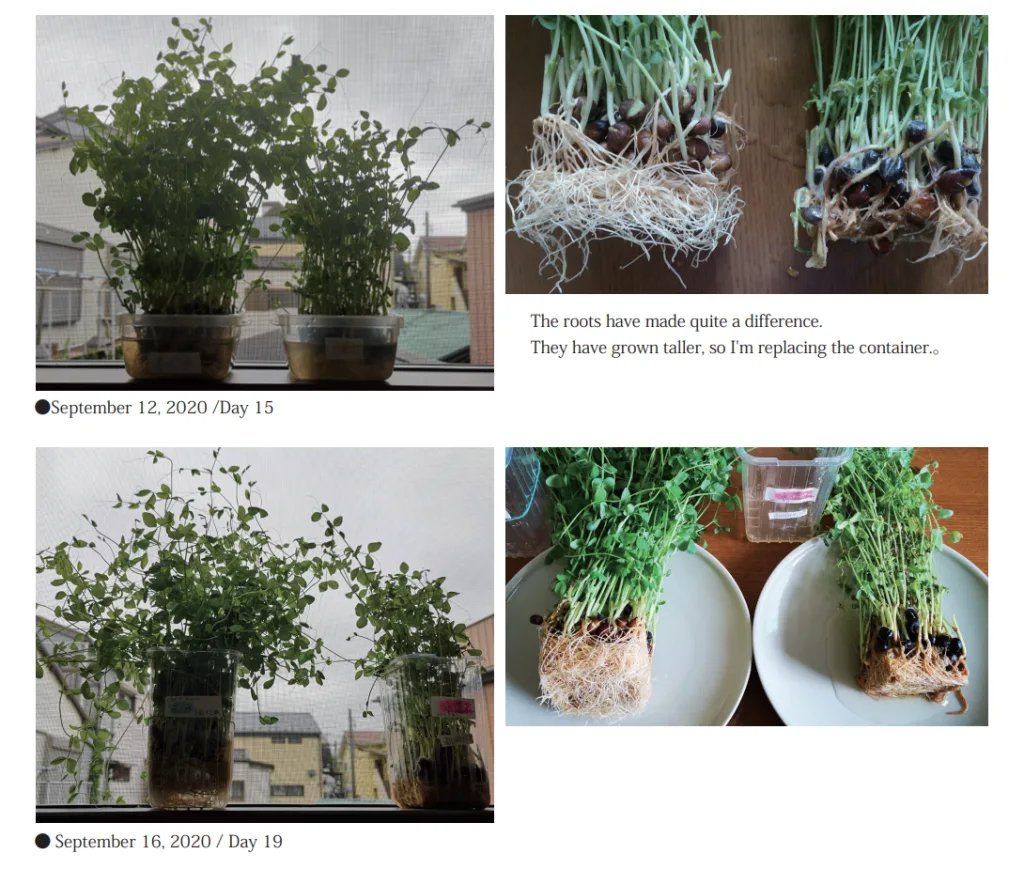
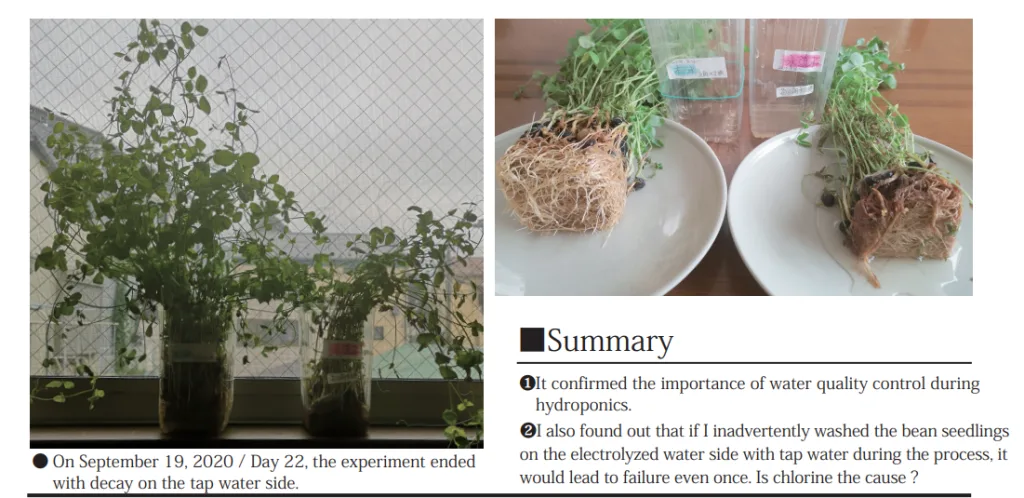
A 22-day study comparing bean sprouts grown in electrolytic ozone water and tap water highlights the transformative impact of water quality on agriculture. The sprouts in electrolytic ozone water grew taller, greener, and had pristine roots, while those in tap water showed weaker growth and root discoloration. This underscores the crucial role of water quality in both hydroponics and traditional farming.
Beyond promoting better plant growth, electrolytic ozone water offers multiple benefits for agriculture. It helps reduce harmful microbes, leading to healthier crops with fewer diseases. By enhancing nutrient absorption, plants develop stronger roots and higher yields. Additionally, electrolytic ozone water helps break down harmful chemicals and pesticides, making farming more eco-friendly and sustainable.
By minimizing the need for chemical fertilizers and pesticides, this technology can lower production costs while ensuring cleaner, safer produce for consumers. With its ability to improve efficiency and sustainability, electrolytic ozone water is shaping the future of modern agriculture.

A crucial benefit of ozone is its ability to gradually break down into oxygen and water (H2O) without adding any waste to the environment. This eco-friendly characteristic means that using ozonated water contributes to a cleaner planet, aligning e...
View details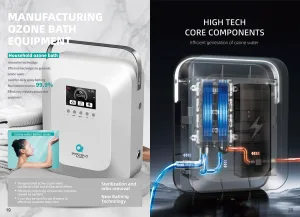
ozone water machine in 2025. Eco-friendly, safe, and effective for sanitizing kitchens, bathrooms, and more.
View details
Electrolytic ozone water flosser, so that this situation does not happen again.
View details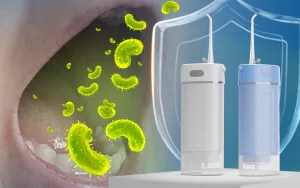
Ozone water flosser not only provides immediate relief from bad breath, but also maintains the cleanliness and health of your mouth over a long period of time, preventing the recurrence of bad breath at the root of the problem.
View details